
3 Crucial February Pet Dental Tips
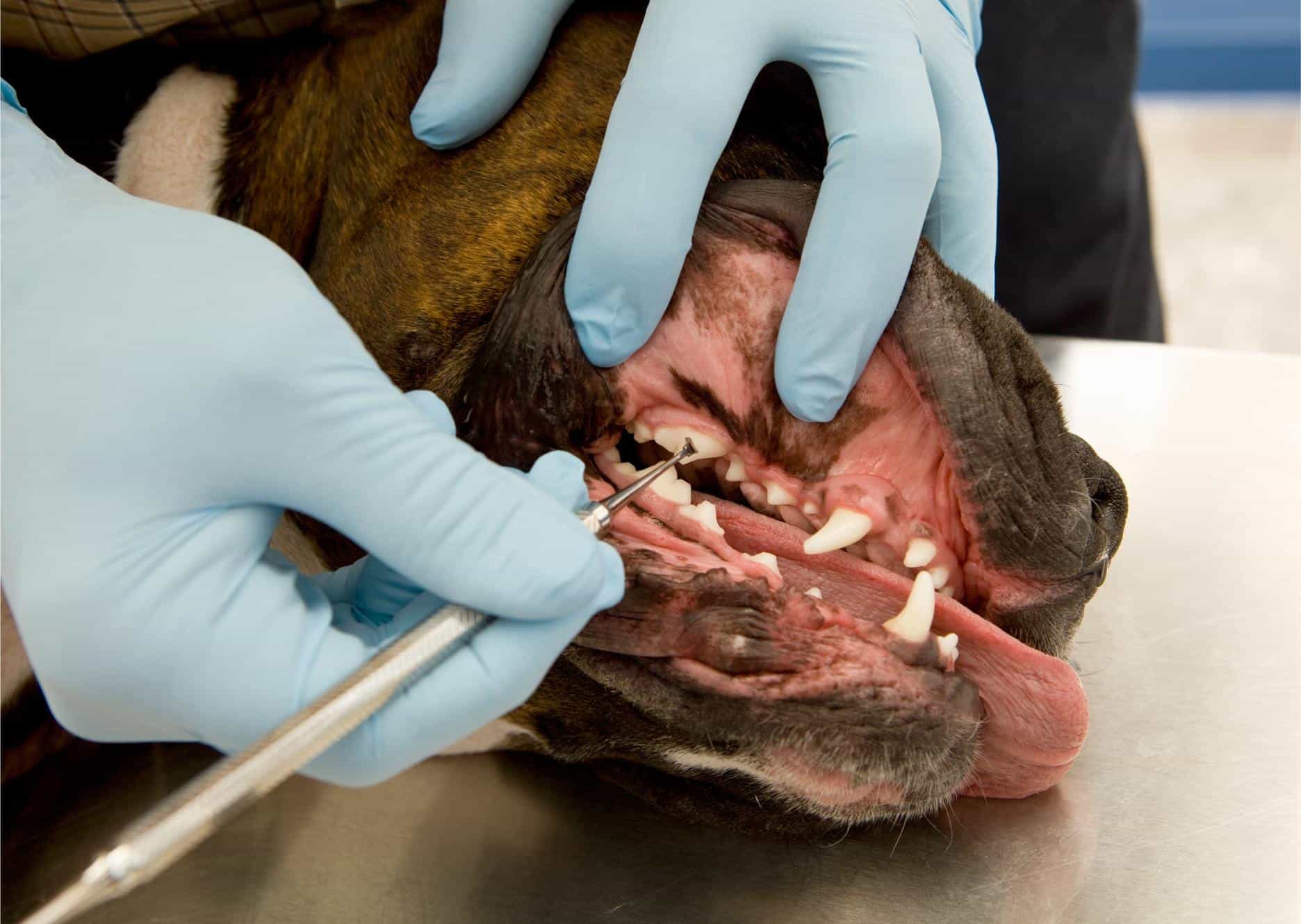
In the pet care world, February is officially Pet Dental Health Month. This makes it the ideal opportunity to pay special attention to how you care for your furry friends’ teeth and gums. Here at Long Meadow Veterinary Clinic, we’re committed to helping families strengthen their pets’ dental health through regular care and wellness tips.
Here are our top February pet wellness tips for pet parents.
Top 3 Pet Dental Care Tips
1. Schedule Yearly Dental Exams and Cleanings
One of the best ways to support your pet’s dental health is through routine veterinary evaluations. Professional cat and dog teeth cleaning appointments typically involve:
- A thorough examination where your vet inspects each tooth, analyzes your pet’s gum health, and uses X-rays to look below the gumline for signs of disease the naked eye can’t see.
- Ultrasonic and hand scaling to remove plaque and tartar from both the visible surface of your pet’s teeth and the area below the gums.
- Polishing the teeth to smooth out the enamel and help prevent plaque buildup in the future.
- Extractions or treatment of damaged, infected, or loose teeth.
These cleanings—particularly when done annually—can significantly improve your pet’s oral health. And therefore, their overall health—because your pet’s mouth affects the rest of his body, too.
2. Get in the Habit of Brushing Your Pet’s Teeth
Yes, it’s true: dogs and cats need their teeth brushed just like humans do. Daily or weekly tooth-burshing might seem impossible to do, but it’s truly one of the best ways to maintain healthy teeth and gums for your pet.
The more you do it, the more you improve and maintain your dog and cat’s oral—and overall— health.
Dental care can include:
- Pet-safe toothbrushes and flavored toothpaste (beef, chicken, and pork flavors abound in the pet-toothpaste industry!)
- Dental chews that can help strengthen teeth and limit plaque
- Oral gels or rinses to keep teeth fresh
- Water additives to help fill in when brushing daily isn’t quite possible
If brushing your pet’s teeth feels overwhelming, start slow. Let your pet taste the toothpaste. Gently massage his gums with your finger before you even touch the brush. Give your pet plenty of time to explore the strange new sights and smells before you dive into brushing.
3. Watch for Warning Signs of Dental Disease
Knowing the warning signs of a dental issue is key to helping prevent serious complications. The sooner you can get your pet to the vet once you notice signs, the better the outcome will be.
Signs of oral health issues include:
- Persistently foul breath that doesn’t get better
- Red, swollen, or bleeding gums
- Difficulty chewing, or letting food drop out of her mouth
- Yellow or brown buildup on teeth near the gum line
- Pawing at the mouth
- Changes in appetite or mood
If you notice any of these signs, your Richmond, TX vet team at Long Meadow Veterinary Clinic can provide diagnostics and treatment options crafted exactly for your pet’s needs. Call us at (832) 847-4170 to schedule your appointment today.